
Free Flu, Covid & Pneumonia Vaccines
Bulk billed vaccines available for eligible patients. Book now with our nurse team.

Book Your Free 2026 Flu Vaccine here
Latest 2026 Covid shots are also able to be booked.
2026 flu vax stock and covid stock has now arrived
Flu & Covid Vaccines
All current patients or new patients can book now with us.
Covid vaccines are bulk billed and can be booked online or by calling us.
2026 flu vax stock and covid stock has now arrived and can be booked online or by calling us.
If you want both Flu and Covid shots on the same day please book a Flu shot and fill out the form during the booking to choose both.
When do I vaccinate?
Covid vaccines and flu vaccines are both available for booking now.
- Free covid shots for all
- Free flu shots (see eligibility below or simply book to find out)
- Private shots for booking right now
Covid vaccines are once a year if 18 years old and over, twice optionally a year if 65 years old and over and twice a year for 75 years and over.
Flu Shots
The flu vaccines are free for patients in the list below as well as kids aged from 6 months until they turn 5 years old, pregnant mums and adults 65 years and older.
Please contact our reception team to book a flu shot with our nurse on 4237 7502.
If the government doesn’t supply your vaccine for free we can provide it for you for only $25 on the day.
We follow the national guidelines and support everyone having the influenza vaccine where safe to do so. Please discuss this with your doctor if you are unsure.
Who gets free flu vaccines?
- All kids in New South Wales aged 6 months old until they turn 5 years old
- All individuals aged 65 years or older
- All Aboriginal and Torres Strait Islander people aged 6 months and older
- Pregnant women
People 5 years old and over are still recommended to have the vaccine, but it is only free if they have medical conditions that can lead to severe influenza such as:
- Heart disease, including cyanotic congenital heart disease, coronary artery disease and congestive heart failure
- Long term lung conditions, including Cystic Fibrosis, chronic obstructive pulmonary disease and severe asthma
- Other chronic illnesses including diabetes mellitus, chronic metabolic diseases, chronic renal impairment, haemoglobinopathies or conditions requiring regular medical follow up or hospitalisation in the previous year
- Chronic neurological conditions that impact on respiratory function, including multiple sclerosis, spinal cord injuries, and seizure disorders
- Impaired immunity, including HIV, malignancy and chronic steroid use
- Children aged 6 months to 10 years on long term aspirin therapy
New no-needle flu vaccine option for some children this year
For children aged 2 years to under 5 years, there is a new free nasal flu vaccine available this year. FluMist can be a great choice for many children, especially those who dislike needles, but it is not suitable for every child, including some children with recent wheeze, significant immune problems, aspirin use, or close household contact with someone who is severely immunocompromised. It also contains porcine gelatine, so families with religious, ethical or dietary concerns may prefer a standard injected flu vaccine instead.
To learn more about FluMist click here.
Pneumococcal Vaccinations
From 1 July 2026, there are important changes to pneumococcal vaccination under the Australian National Immunisation Program.
For adults, the new vaccine is Capvaxive®, also called Pneumococcal 21 or 21vPCV.
Important note for existing patients: This page is a practical guide only. It is not a substitute for individual medical advice. Eligibility can be complicated, especially if you have had previous pneumococcal vaccines, have an immune condition, or are receiving immunosuppressive treatment. Please check the Australian Immunisation Handbook or discuss your circumstances with your GP, nurse or pharmacist.
Reference: Australian Immunisation Handbook — Pneumococcal disease
Who is eligible for free Pneumococcal 21 vaccine?
Under the National Immunisation Program, Pneumococcal 21 vaccine is free for:
- Adults aged 65 years and over
- Aboriginal and Torres Strait Islander adults aged 25 years and over
- Adults aged 18 years and over with certain eligible medical risk conditions
If you have previously had any pneumococcal vaccine, including Prevenar 13® or Pneumovax 23®, the current advice is that Pneumococcal 21 is usually given at least 12 months after your most recent pneumococcal vaccine. This means not everyone needs the new vaccine immediately on 1 July.
How our practice will roll this out
The new program creates a large number of newly eligible patients. Unfortunately, vaccine supply is expected to be very limited at first. At this stage, our practice has been advised that we will receive only a small number of government-funded vaccines each month. Because of this, the rollout will need to be carefully prioritised and will likely take many months.
For our existing patients, we will be checking pneumococcal vaccine eligibility during usual care, including:
- Care plans
- Health assessments
- Chronic disease reviews
- Aboriginal and Torres Strait Islander health checks
- Over-65 reviews
- Vaccine discussions
- Routine GP and nurse consultations
GPs and nurses will check your vaccine history using our records and the Australian Immunisation Register.
If you are eligible and have never had a pneumococcal vaccine, we will add a reminder so that you can be contacted when vaccine supply allows. If you are eligible but have already had a pneumococcal vaccine, we will generally set the reminder for when you are due, usually at least 12 months after your most recent pneumococcal vaccine.
Please do not worry if you are not vaccinated immediately on 1 July 2026. We are aware of the change and will work through eligible patients as vaccine availability allows.
At-risk does not always mean free
Some medical conditions increase the risk of pneumococcal disease and vaccination may be recommended, but not all of these conditions are funded under the National Immunisation Program.
If you are at increased risk but are not eligible for a free vaccine, your GP may discuss a private prescription or private vaccination option once private supply becomes available.
Risk conditions for pneumococcal vaccination and NIP funding
The table below is a simplified guide only. The official Australian Immunisation Handbook should always be checked for final eligibility. If viewing this on your phone, turn sideways for more easy viewing.
| Risk category | Conditions or details | Free |
|---|---|---|
| Previous invasive pneumococcal disease | Any previous episode of invasive pneumococcal disease | Yes |
| Functional or anatomical asplenia | Sickle cell disease or other haemoglobinopathies | Yes |
| Functional or anatomical asplenia | Congenital or acquired asplenia, for example splenectomy, or hyposplenia | Yes |
| Immunocompromising conditions | Inborn errors of immunity, including primary immunodeficiency, such as symptomatic IgG subclass deficiency or isolated IgA deficiency | Yes |
| Immunocompromising conditions | Haematological malignancies | Yes |
| Immunocompromising conditions | Solid organ transplant | Yes |
| Immunocompromising conditions | Haematopoietic stem cell transplant | Yes |
| Immunocompromising conditions | HIV infection | Yes |
| Immunocompromising conditions | Immune suppressing therapy, where sufficient immune reconstitution for vaccine response is expected, including underlying conditions requiring but not yet receiving immune suppressing therapy | No |
| Immunocompromising conditions | Non-haematological malignancies receiving chemotherapy or radiotherapy, currently or anticipated | No |
| CSF leak or related conditions | Cochlear implants | Yes |
| CSF leak or related conditions | Intracranial shunts | Yes |
| Chronic respiratory disease | Suppurative lung disease, bronchiectasis and cystic fibrosis | Yes |
| Chronic respiratory disease | Chronic lung disease in preterm infants | Yes |
| Chronic respiratory disease | Chronic obstructive pulmonary disease, including chronic bronchitis and emphysema | Yes |
| Chronic respiratory disease | Severe asthma, defined as requiring frequent medical consultations or the use of multiple medications | No |
| Chronic respiratory disease | Interstitial and fibrotic lung disease | No |
| Chronic renal disease | Relapsing or persistent nephrotic syndrome | Yes |
| Chronic renal disease | Chronic renal impairment with eGFR below 30 mL/min | Funded only if eGFR is below 15 mL/min, including patients on dialysis; otherwise not NIP-funded |
| Infants exposed to certain biological therapies during pregnancy | Infants exposed to anti-CD20 therapies such as rituximab in utero | No |
| Cardiac disease | Congenital heart disease, coronary artery disease or congestive heart failure | Funded for children aged under 5 years when they start their recommended schedule; otherwise not NIP-funded |
| Prematurity | Born at less than 28 weeks gestation | Funded for children aged under 5 years when they start their recommended schedule; otherwise not NIP-funded |
| Chromosomal abnormality | Trisomy 21 or another genetic condition that increases the risk of severe disease | Funded for children aged under 5 years when they start their recommended schedule; otherwise not NIP-funded |
| Chronic liver disease | Progressive deterioration of liver function for more than 6 months, including cirrhosis and other advanced liver diseases | Yes |
| Chronic metabolic disorder | Type 1 or type 2 diabetes | No |
| Smoking | Current smoker or recent smoker | No |
| Harmful use of alcohol | Average of 10 or more Australian standard drinks per week, or 4 or more Australian standard drinks per day | No |
Please check the Australian Immunisation Handbook or discuss your circumstances with your GP, nurse or pharmacist.
This page is a practical guide only. It is not a substitute for individual medical advice. Eligibility can be complicated, especially if you have had previous pneumococcal vaccines, have an immune condition, or are receiving immunosuppressive treatment.
Explore more services

Travel Clinic
Specialised to help you get the most out of your trip by staying healthy for the lowest possible cost with our nurses. All travel vaccinations including Yellow Fever — so you don't need an expensive commercial travel clinic.

Paediatrics (Teens, Kids & Babies)
Our GP Registrar Doctors have additional paediatric training and establish great connections with kids of all ages. They also provide mental health support for children. We offer bulk billed blue book baby checks.
Childhood Immunisations
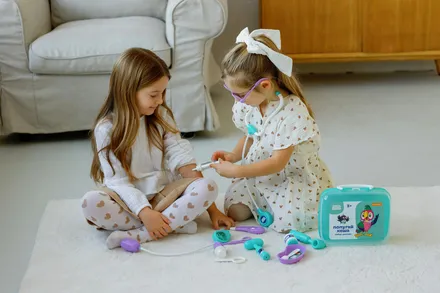
All National Immunisation Program vaccines for children. Bulk billed Blue Book baby checks and catch-up vaccination schedules.

Flu Vaccination
Flu vaccination appointments at Kiama Downs Medical Practice.

Mental Health
Support for mental health and other challenges. Learn what our nurses and GP Registrar doctors at Kiama Downs can do to help you.

Skin Cancer & Dermatology
Skin cancer checks in Kiama Downs, as well as acne, eczema, psoriasis and general dermatology care. Covering care for the Nowra and Wollongong region.

Pregnancy & Antenatal Care
Nurses and GP Registrar Doctors with additional training in pregnancy care and antenatal care. Help for those with delays getting pregnant.

Menopause & Perimenopause
Care for women navigating perimenopause and menopause. Your GP helps you to manage symptoms, and can provide care that can help reduce or resolve discomfort with a specific plan for you.

Women's Health
All about women's health. Fertility, pregnancy, safety in relationships, cancer awareness, breast screening and cervical screening. We also cover topics about normal vulva health & appearance and body image.

Men’s Health
Confidential care for men of all ages, including health checks, mental health, sexual health, fertility, prostate and urinary concerns, skin checks and cancer prevention.

Iron Infusions
Iron infusions take under 20 minutes and can easily be arranged. To book now please book a planning appointment with a GP in Kiama Downs.

Bone Health (Aclasta Infusions)
Aclasta (Zoledronic Acid) infusions for bone strength are provided in the Wollongong, Shellharbour, Nowra & Kiama area by nurses at our practice.
Abortion & Pregnancy Termination
Affordable and safe abortion care in Kiama, Wollongong, Shellharbour and Nowra. All women have a right to affordable, safe pregnancy termination where legal to do so.

Palliative Care
We recognise the role of palliative care for people with medical problems and life limiting illnesses. To discuss loved ones or your own care please call us.
Advanced Care Directives
Our nurses and GP Registrar Doctors support patient dignity. They help families and loved ones work together to get the best care possible.

Home & Nursing Home Visits
Available for existing patients who are too unwell to attend the practice. Home visits within 10km and nursing home care at Bluehaven Kiama.
Onsite Pathology
Convenient onsite pathology collection at the practice. Blood tests and other pathology services available without needing a separate visit.
Sports Injuries
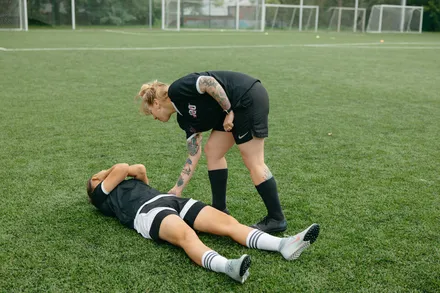
Assessment, treatment and rehabilitation of sports-related injuries including sprains, strains, fractures and overuse injuries.

General Health Checks
Comprehensive health assessments, chronic disease management, cancer screening and preventative health reviews for all ages.

Doctors for Doctors
High-quality GP care for medical colleagues, GPs and specialists in the Kiama, Illawarra and Shoalhaven area.